

Stanford CEE 33C — Independent Study — Autumn 2022
Optimizing the Brew
A tiny ergonomics experiment using time-motion analysis to reduce wasted movement in a college dorm coffee routine. Three small spatial changes cut time by 24%, actions by 18%, and footsteps by 23%.
24%
less time
18%
fewer actions
23%
fewer footsteps
The goal wasn't a beautiful kitchen. It was one question: where is the friction hiding?
BACKGROUND
Borrowed from a 1920s industrial engineer.
Lillian Gilbreth was an industrial engineer and psychologist who studied how domestic spaces could be designed around human movement. Her work challenged the idea that kitchens were just rooms filled with appliances. Instead, she treated them as workspaces shaped by reach, sequence, repetition, and fatigue.
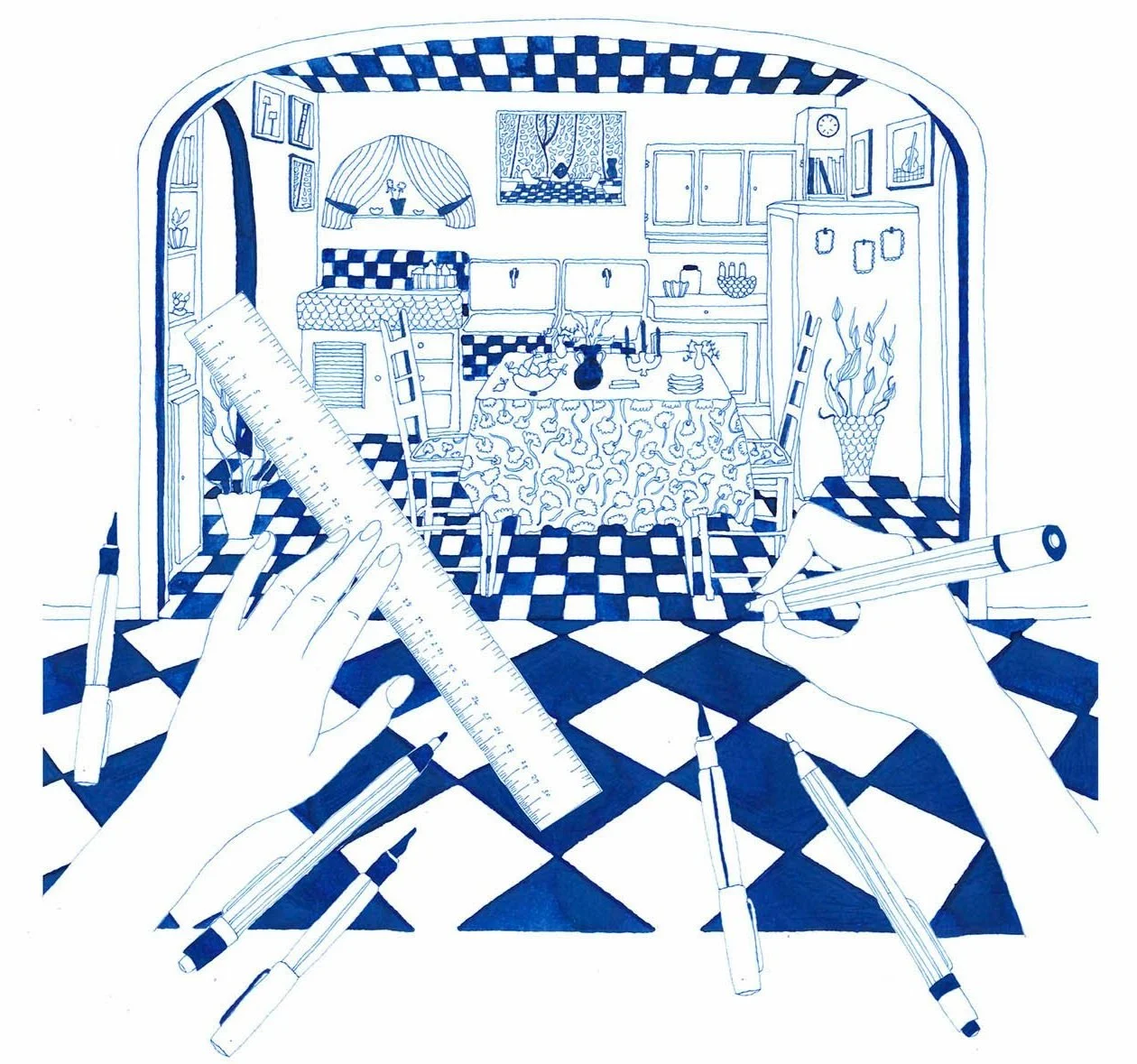
That lens felt especially relevant in a dorm kitchen: limited counter space, shared appliances, awkward storage, and a morning routine usually performed half-awake before class.
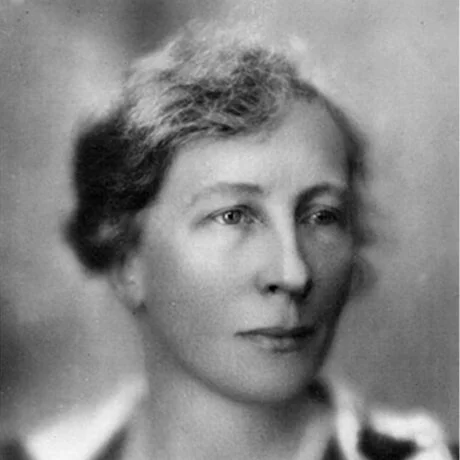
Lillian Gilbreth, 1878–1972. Source: Wikimedia Commons, Architectural Review.
EXPERIMENT
A time-motion study of instant coffee.
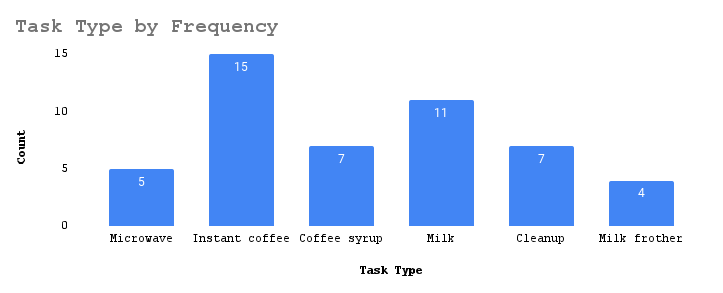
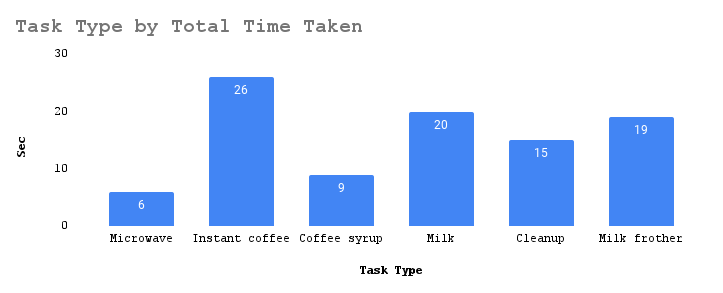
I recorded my original coffee routine and broke it into small repeated actions — walking, reaching, grabbing, opening, rinsing, waiting, cleaning. The routine was very college: instant coffee, microwave, milk frother, syrups, sink. No judgment, please.
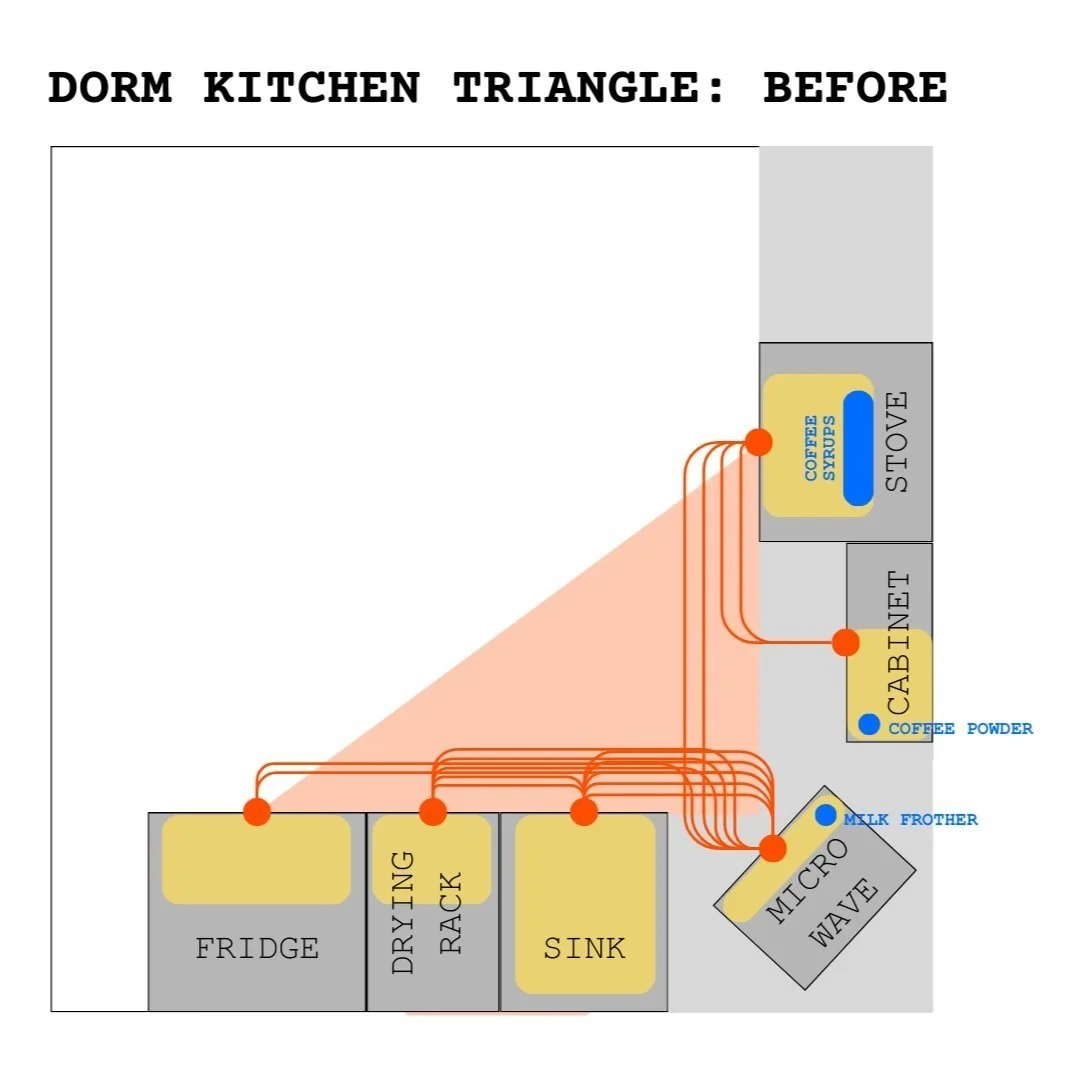
Mapping each step showed the real issue: the routine kept pulling me between the sink, microwave, fridge, and storage instead of supporting one continuous sequence.
Video of my original routine.
Routine breakdown by task type frequency (left) and duration (right).
CHANGES
Three simple adjustments.
The biggest opportunity was to stop treating the routine as a trip around the kitchen and make the microwave — the longest fixed step — the anchor of the whole workflow.
-
Syrups, instant coffee, and the milk frother moved closer to the microwave, so the main ingredients lived near the step that took the longest.
-
Frequently used items stayed within easier reach, cutting down on cabinet-opening and backtracking mid-routine.
-
Instead of alternating between stations, smaller prep tasks were reordered to happen while the water heated.
FINDINGS
Faster, and noticeably less scattered.
| Metric | Before | After | |
|---|---|---|---|
| Time (seconds) | 125 | 95 | −24% |
| Tasks | 62 | 51 | −18% |
| Footsteps | 30 | 23 | −23% |
BEFORE
AFTER
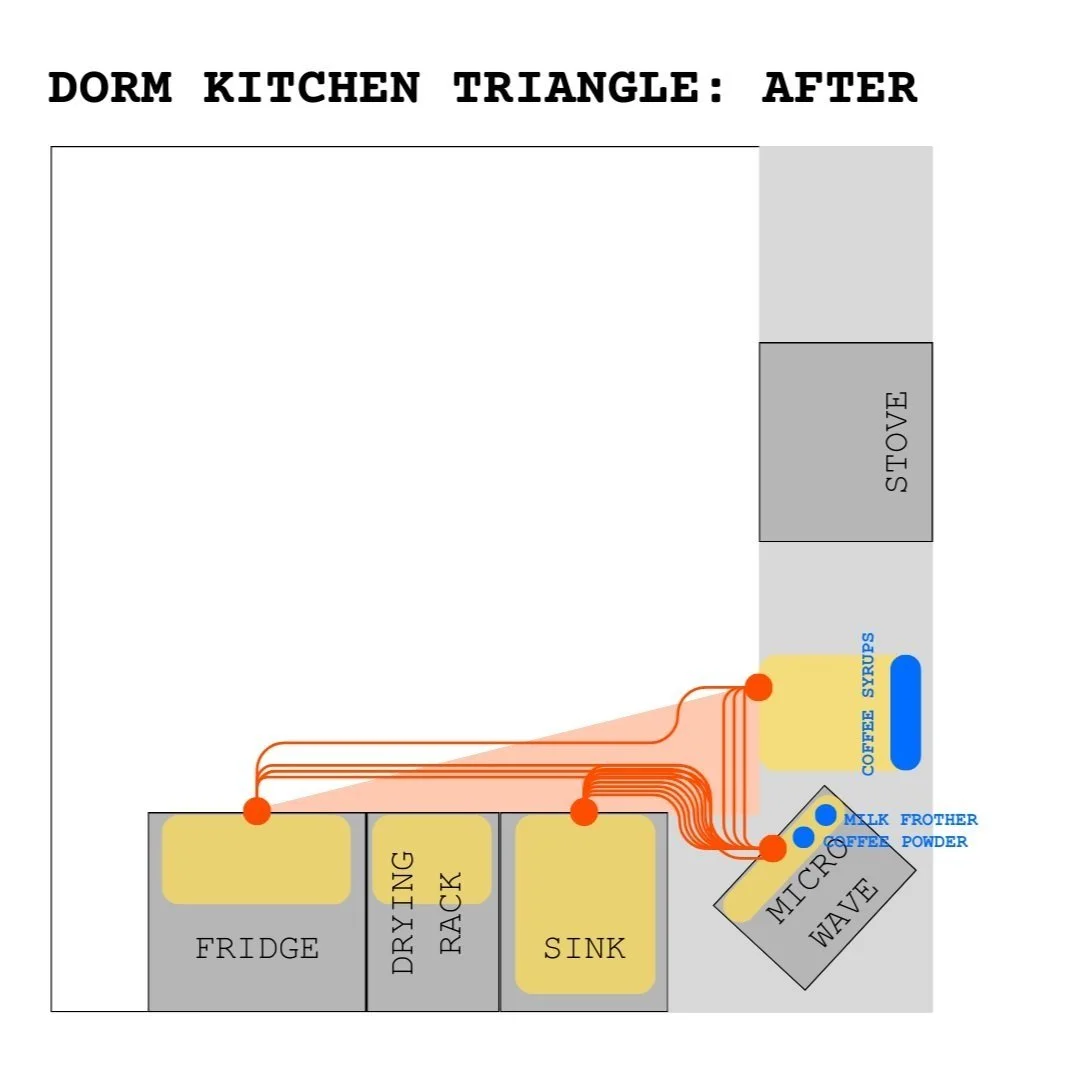
This was a tiny experiment. That was the point. Ergonomics doesn't only live in idealized kitchens. It shows up in ordinary routines, in every step nobody thinks to question.
24%
less time
18%
fewer actions
23%
fewer footsteps
CONCLUSION
This project helped me see domestic space as a system of repeated decisions. Even when the "system" is just a college student trying to make instant coffee before a 9 AM lecture.